

Artificial intelligence is no longer confined to large enterprises with substantial technology budgets. Across Southeast Asia, AI adoption among small and medium-sized enterprises (SMEs) is accelerating as cloud-based automation tools become more affordable, scalable, and user-friendly. What was once considered advanced technology is now becoming a practical operational tool for everyday business functions.
In Malaysia, SMEs contribute more than 35% to national GDP and form the backbone of employment. Despite this, many still depend heavily on manual workflows for lead management, reporting, invoicing, and customer communication. As digital competition intensifies and customer expectations shift toward instant responses and seamless online experiences, these manual processes increasingly create bottlenecks that slow growth and limit scalability. Rising wage pressures and higher customer acquisition costs further heighten the need for operational efficiency.
By 2026, AI automation is a strategic requirement. Solutions such as AI-powered chatbots, CRM automation, and integrated workflow systems enable businesses to improve productivity without proportionally increasing headcount. The critical question is no longer whether to adopt AI, but how to implement it strategically to generate measurable and sustainable ROI.
Why AI Automation Matters for Malaysian SMEs
Malaysia’s SME sector contributes significantly to the national economy, yet many businesses still rely heavily on manual processes for customer service, invoicing, lead tracking, reporting, and internal coordination. Manual workflows consume time, increase human error, and limit scalability. AI workflow automation addresses these inefficiencies by:
- Reducing repetitive administrative tasks
- Improving data accuracy
- Shortening response times
- Enabling better decision-making through real-time insights
For SMEs operating with limited manpower, automation is about reallocating resources toward higher-value work such as sales, strategy, and customer engagement.
Where Should SMEs in Malaysia Start with AI Automation? (Step-by-Step Guide)
The biggest mistake many SMEs make is trying to implement advanced AI solutions too quickly. In reality, successful automation begins with operational clarity, not complexity.
Step 1: Audit Your Current Workflows
Before investing in any AI tools, map out your existing processes. Identify tasks that are:
- Repetitive
- Rule-based
- Time-consuming
- Prone to human error
Common examples in Malaysian SMEs include manual lead entry from ads, invoice generation, appointment scheduling, follow-up emails, and monthly reporting. The goal is not to automate everything — it is to identify operational bottlenecks.
Step 2: Prioritize High-Impact, Low-Complexity Wins
Start with processes that:
- Occur frequently
- Have clear measurable outcomes
- Require minimal structural change
For example:
- Auto-sync leads from Meta or Google Ads into CRM
- Trigger automated WhatsApp or email acknowledgments
- Assign leads automatically to sales representatives
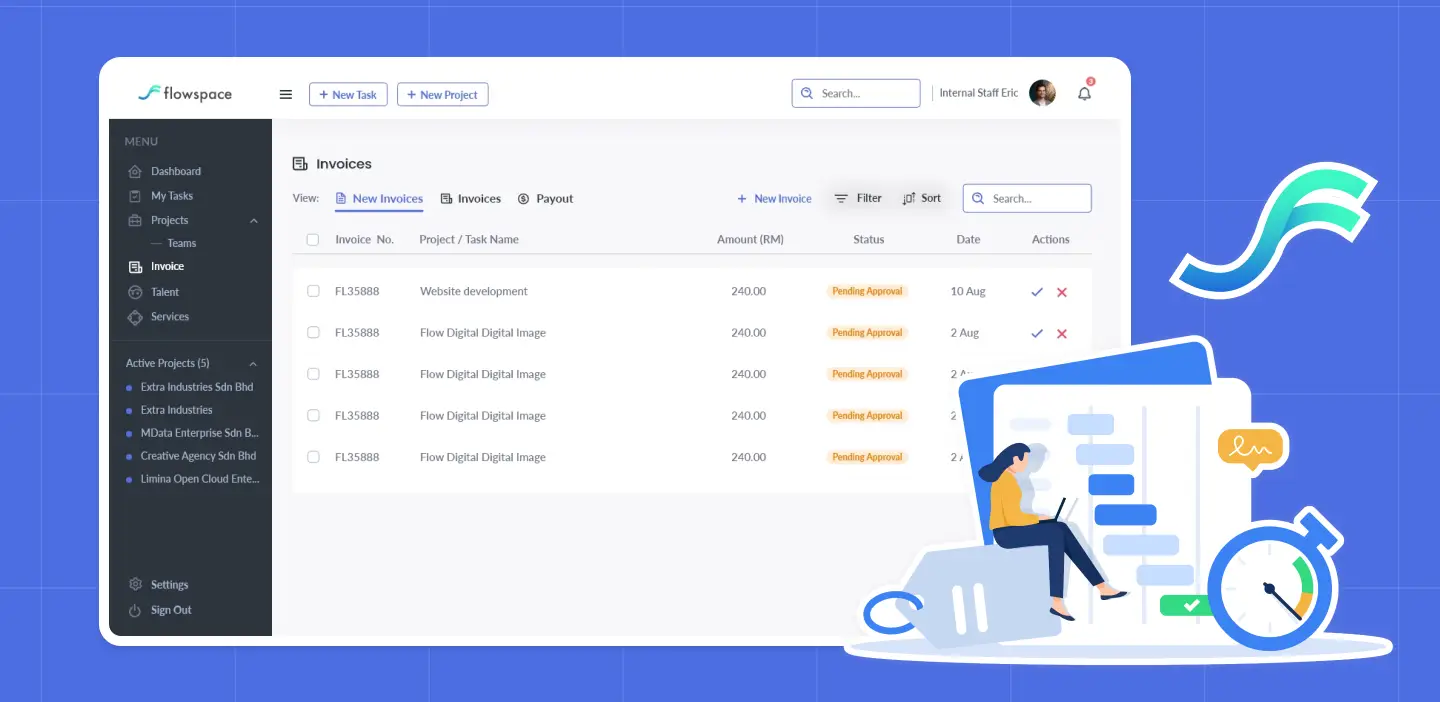
- Automate invoice creation after payment confirmation
These early wins build confidence and demonstrate ROI quickly.
Step 3: Implement Customer-Facing Automation First
Speed directly impacts revenue.
In competitive industries like property, education, healthcare, and services, delayed response often means lost leads. AI-powered chatbots and automated response systems can:
- Capture inquiries 24/7
- Qualify prospects instantly
- Reduce lead leakage
- Improve customer experience
Reducing response time from hours to minutes can significantly improve conversion probability.
Step 4: Integrate Systems Before Expanding Tools
Avoid adding disconnected software. Ensure your CRM, accounting system, marketing automation tools & e-commerce platform are properly integrated. AI automation works best when systems communicate seamlessly. Disconnected tools create more manual work, not less.
Step 5: Define Clear ROI Metrics
Automation must be measurable.
Track:
- Admin hours reduced per week
- Conversion rate improvement
- Cost per lead reduction
- Revenue per employee growth
- Error reduction rate
If results cannot be measured, optimization becomes impossible.
Step 6: Scale Gradually
Once foundational automation is stable, expand into:
- Predictive lead scoring
- Automated marketing personalization
- Inventory forecasting
- Performance-based campaign optimization
AI adoption should be phased. Over-automation without internal readiness can create confusion.
Step 7: Build Internal Ownership
Automation is a system. Assign accountability within your team for:
- Monitoring workflows
- Reviewing performance data
- Optimizing processes
Technology alone does not guarantee efficiency. Governance ensures sustainability.
Common Misconceptions About AI Automation
As AI adoption accelerates among Malaysian SMEs, misconceptions remain one of the biggest barriers to implementation. Many businesses delay automation not because of technology limitations, but because of incorrect assumptions about cost, complexity, and impact.
AI automation is expensive and only suitable for large enterprises
In reality, cloud-based automation tools have significantly reduced entry barriers. Many solutions operate on scalable subscription models, allowing SMEs to automate specific workflows without heavy upfront investment. The cost of inaction including manual errors, delayed responses, and inefficient manpower allocation, often exceeds the cost of implementation.
AI replaces employees
For SMEs in Malaysia, automation is rarely about workforce reduction. Instead, it shifts human effort from repetitive administrative tasks to higher-value activities such as sales strategy, customer engagement, and business development. Automation enhances productivity; it does not eliminate the need for human judgment.
AI implementation is highly technical and disruptive
While complex AI systems exist, most SME-level automation focuses on workflow integration rather than advanced machine learning. Automating lead routing, invoice generation, CRM updates, and customer follow-ups does not require building AI models from scratch. With proper planning, implementation can be phased and minimally disruptive.
Automation delivers instant transformation
In reality, sustainable ROI comes from gradual optimization. AI automation is an evolving operational strategy. Businesses that start small, measure impact, and refine continuously see the strongest long-term benefits.
In 2026, the competitive risk is not adopting AI too early — it is adopting it too late.
Conclusion: AI Automation Is a Competitive Lever for Malaysian SMEs
AI automation in 2026 is no longer a futuristic experiment — it is an operational upgrade. For Malaysian SMEs navigating rising wage pressures, increasing marketing costs, and growing customer expectations, automation offers a scalable way to improve efficiency without proportionally increasing headcount.
The businesses that benefit most are not the ones implementing the most advanced AI systems. They are the ones identifying operational bottlenecks, automating repetitive workflows, and measuring ROI consistently. Whether it is automating lead routing, improving response time, integrating CRM systems, or streamlining reporting, small improvements compound into significant competitive advantages over time.
In Malaysia’s increasingly digital economy, the question is no longer whether SMEs can afford automation.
Ready to Start Your AI Automation Journey?
At Flow Digital, we help Malaysian SMEs design practical, ROI-focused automation systems tailored to their operational structure. From workflow integration and CRM automation to marketing performance tracking and AI-powered lead management, we build automation ecosystems that reduce cost and improve scalability.
If you’re ready to identify where automation can unlock growth in your business, let’s start with a strategic audit. Connect with Flow Digital today and build smarter systems for 2026 and beyond.
Frequently Asked Questions (FAQ)
01. What is AI automation for SMEs and how does it work?
AI automation for SMEs refers to the use of artificial intelligence and workflow automation tools to handle repetitive business processes such as lead management, customer support, invoicing, reporting, and marketing tasks. These systems integrate with existing software like CRM, accounting platforms, and messaging tools to streamline operations and reduce manual work.
02. Why should Malaysian SMEs adopt AI automation in 2026?
Malaysian SMEs face increasing pressure from rising labor costs, growing digital competition, and higher customer expectations for instant responses. AI automation helps businesses improve operational efficiency, reduce manual errors, shorten response times, and scale operations without significantly increasing headcount.
03. What business processes can SMEs automate first?
SMEs should begin with repetitive, rule-based processes that consume significant time. Common starting points include automated lead capture from advertising platforms, CRM updates, appointment scheduling, invoice generation, email follow-ups, and customer inquiry responses through chatbots.
04. Is AI automation expensive for small businesses in Malaysia?
AI automation is becoming increasingly accessible due to cloud-based tools that operate on subscription models. Many SMEs can begin automation with relatively low upfront investment by focusing on high-impact workflows such as customer communication, marketing automation, and sales pipeline management.
05. How can AI automation improve sales and marketing performance?
AI automation improves sales and marketing performance by automatically capturing leads, assigning them to sales teams, triggering follow-up communications, and tracking campaign performance in real time. Faster response times and consistent lead management often result in higher conversion rates.
06. Will AI automation replace employees in SMEs?
AI automation typically enhances employee productivity rather than replacing staff. By automating repetitive administrative tasks, employees can focus on higher-value work such as customer relationship building, strategic planning, and revenue-generating activities.
07. How long does it take for SMEs to see ROI from AI automation?
ROI timelines vary depending on the complexity of implementation, but many SMEs start seeing measurable improvements within a few months. Early automation initiatives such as lead routing, automated responses, and reporting dashboards often produce immediate efficiency gains.
08. What challenges should SMEs consider before implementing AI automation?
Common challenges include unclear workflows, disconnected software systems, lack of internal ownership, and unrealistic expectations about instant results. Successful AI adoption requires process clarity, proper system integration, and continuous optimization.
09. How can Flow Digital help SMEs implement AI automation effectively?
Flow Digital helps Malaysian SMEs identify automation opportunities through workflow audits, system integration planning, and ROI-focused automation strategies. By aligning CRM systems, marketing platforms, and customer communication tools, Flow Digital builds scalable automation ecosystems that reduce operational friction and improve business performance.
10. What are the most common AI automation tools used by SMEs in Malaysia?
Malaysian SMEs commonly use AI-powered tools for CRM automation, chatbot customer support, marketing automation, and workflow integration. Popular solutions include CRM systems that automate lead tracking, chatbot platforms that handle customer inquiries 24/7, accounting tools that automate invoicing, and integration platforms that connect marketing, sales, and operations into a unified workflow system. These tools help businesses reduce manual work while improving efficiency and response speed.