
Influencer marketing is transforming in terms of strategy, channels, and how results are measured. What began as simple product mentions on social media has evolved into a complex ecosystem driven by trust, community-building, and authenticity.
The global influencer marketing industry is projected to reach USD 30 billion by the end of 2025, with Southeast Asia becoming a key growth region due to high mobile usage and social media engagement.
Today, the influencer landscape is shaped by a few key realities:
- Audiences are more selective than ever. People want to follow social media influencers who offer genuine value and real opinions, not just paid promotions. Authenticity and trust are now more important than reach.
- Platforms are prioritising video-first content. Short, natural, and unpolished videos, especially those that feel personal or spontaneous are outperforming heavily edited and scripted content. Audiences are responding better to realness over perfection.
- Marketers are no longer satisfied with vanity metrics such as likes, shares, or follower counts. These numbers may look impressive, but they don’t always translate into results. Instead, brands are shifting their focus to performance-based outcomes, such as website traffic generated from influencer content, number of sales or conversions driven by a campaign, click-through rates (CTR) on affiliate links, cost per acquisition (CPA) and return on investment (ROI)
At Flow Digital, one of the leading influencer marketing agencies in Malaysia, in building influencer marketing strategies that go beyond awareness. We focus on long-term engagement and results that tie back to business goals. Our campaigns are tailored to specific markets, powered by analytics, and supported by meaningful influencer collaborations.
However, to succeed in social media and influencer marketing, businesses should understand current trends, use the right tools, and apply practical tactics that match audience expectations. Whether you’re exploring influencer marketing for the first time or planning to scale your efforts regionally, these insights will help you build campaigns that are relevant, engaging, and results-driven. Let’s explore what is driving influencer marketing strategy success this year.
Key Takeaway
- The influencer landscape has shifted toward authenticity, niche influence, and measurable performance, as brands move away from vanity metrics and traditional celebrity endorsements to focus on trust, engagement, and strategic content partnerships.
- Influencer marketing is shaped by trusted nano and micro creators, short-form video, AI-powered influencer selection, cross-platform localised campaigns, and content that drives both engagement and sales through live selling and paid ads.
1. Collaborate with Nano and Micro Influencers To Maximize Visibility
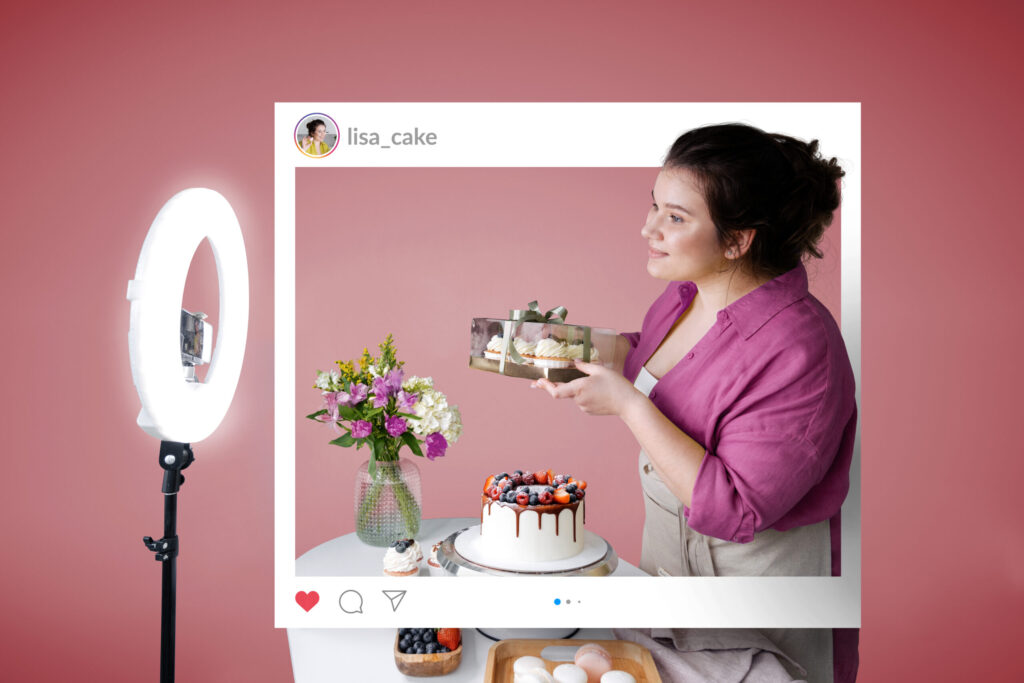
Brands are increasingly shifting their focus from high-profile celebrities to nano (1,000–10,000 followers) and micro influencers (10,000–100,000 followers). While these creators may have smaller followings, they typically maintain close, highly engaged communities built on trust and authenticity. Their content often reflects genuine personal experiences and aligns closely with their values, resulting in higher credibility among their audience.
These influencers operate within well-defined niches, allowing brands to reach highly targeted segments with tailored messaging. Their ability to speak directly to specific interests or communities enhances message relevance, often leading to stronger engagement and improved brand perception.
Why It Matters:
Nano and micro influencers often generate strong engagement because of their approachable, authentic content and closer relationships with followers. While results can vary by campaign and niche, these influencers tend to foster higher trust and more meaningful audience interactions compared to larger influencers.
- Increased Trust and Authenticity: The more intimate and genuine nature of their content drives higher credibility and less skepticism among followers.
- Improved Conversion Rates: Their focused and niche audiences are more likely to take meaningful actions such as visiting websites, signing up for services, or making purchases.
- Cost-Effective Partnerships: Collaborating with multiple smaller influencers can be more budget-friendly than a single high-profile celebrity, allowing brands to diversify reach and reduce risk.
How to Get Started:
- Use platforms like Partipost and Influenxio to filter creators by niche, language, and location.
- Develop relationships with multiple nano and micro influencers rather than relying on a single influencer with a large following.
- Focus on building long-term influencer collaborations to foster authentic brand loyalty and sustained engagement.
- Ensure influencer content guidelines encourage authentic storytelling aligned with core brand messages, rather than overly scripted posts.
2. Boost Online Engagement with Short-Form Video
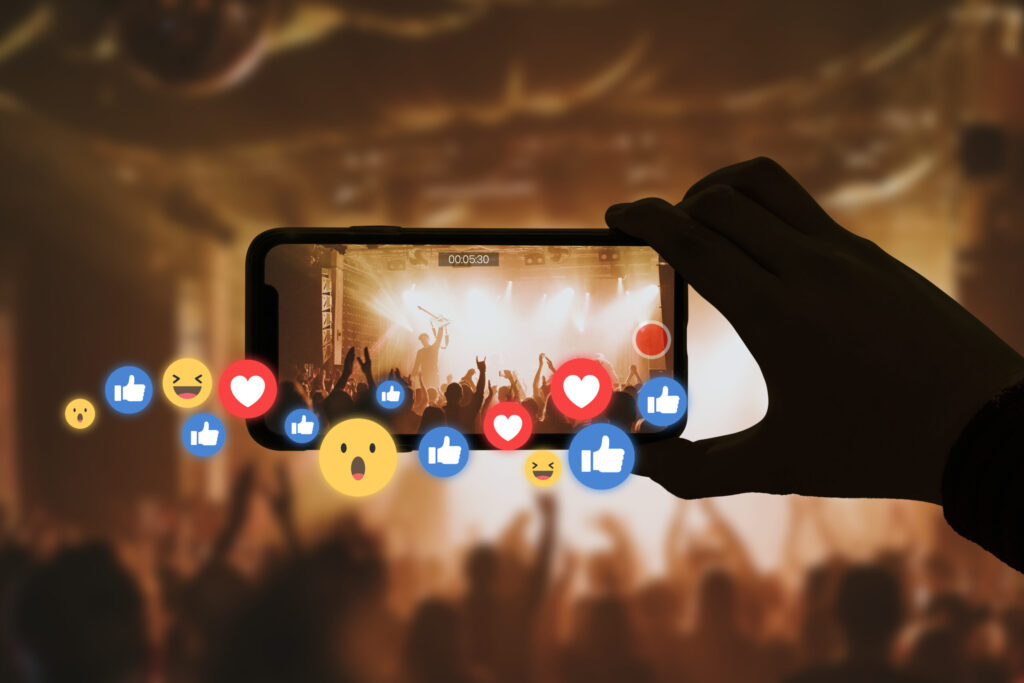
Short video has become the dominant content format across social media platforms. Channels like TikTok, Instagram Reels, and YouTube Shorts serve as primary spaces where influencers connect with audiences through brief, dynamic videos. These clips, typically under 60 seconds, prioritize authenticity, entertainment, and rapid information delivery. Unlike traditional polished content, short videos often showcase natural, unfiltered moments that resonate more effectively with viewers. This format enables influencers to build emotional connections by sharing real-life experiences, tutorials, or product demonstrations in an engaging and easily consumable manner.
Why It Matters:
- Better Algorithmic Support: Platforms prioritize short video content, improving organic reach and visibility without heavy ad spend
- Higher Conversion Potential: Videos that entertain or educate in under a minute can efficiently drive viewers toward taking actions such as visiting a website or purchasing a product.
- Greater Shareability: Easily consumable content increases the likelihood of virality and broad exposure across multiple social channels.
How to Get Started:
- Use AI-driven video editing tools such as CapCut for Creators and Veed.io to streamline the production of high-quality, brand-aligned content.
- Plan for a diverse video mix, including tutorials, unboxings, testimonials, and lifestyle clips to appeal to various audience preferences.
- Monitor video performance metrics such as completion rate, shares, and click-throughs to optimize future campaigns.
3. Leverage AI Tools to Find the Right Influencers for Your Brand
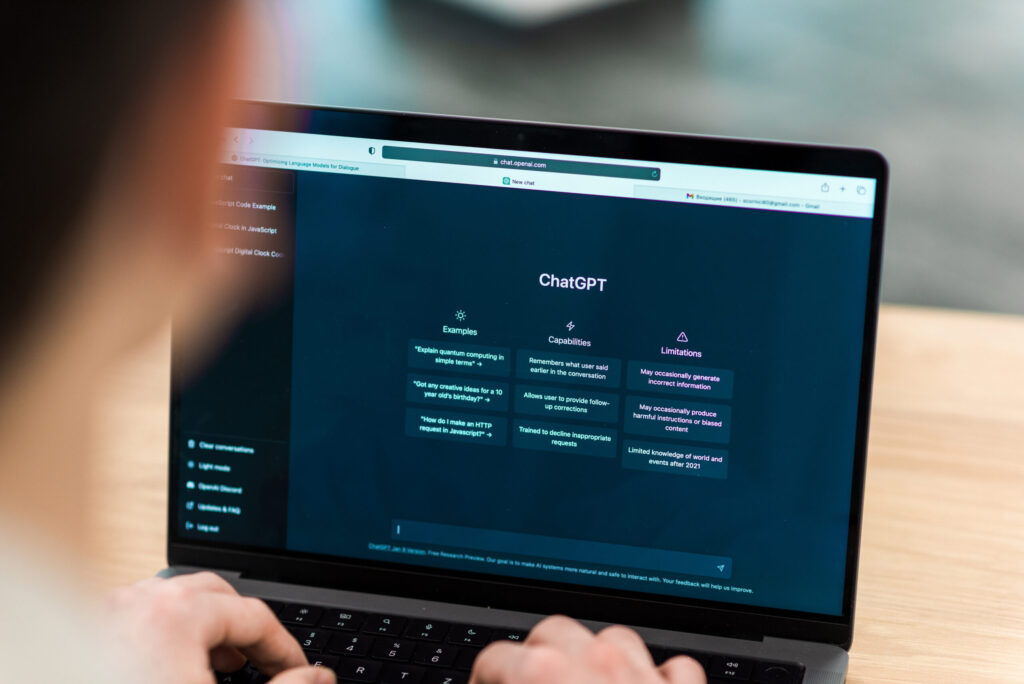
AI technology is transforming how brands identify and evaluate influencers. Instead of manually reviewing countless profiles, AI tools analyze audience demographics, engagement quality, past campaign success, brand sentiment, and content tone. This data-driven approach enables marketers to quickly pinpoint influencers whose followers align closely with the brand’s target market and values. By leveraging AI, brands can make more informed decisions and optimize influencer selection for maximum impact.
Why It Matters:
- Efficient Identification: AI reduces time and effort spent on manual influencer research.
- Improved Audience Matching: Advanced algorithms ensure influencers’ audiences closely match the brand’s ideal customer profiles.
How to Get Started:
- Use tools like Upfluence or Heepsy to discover influencers with genuine engagement.
- Regularly update your AI tools and databases to reflect changing audience behaviors and platform trends.
- Use AI analytics post-campaign to assess performance and refine future strategies.
4. Run Cross-Platform Campaigns to Maximize Influencer Reach
Today’s top influencers rarely stick to one channel, they often thrive across platforms such as TikTok, Instagram, YouTube, Twitter, and LinkedIn. Successful influencer marketing strategies recognize this diversity and design campaigns that leverage each platform’s unique strengths. For example, short and casual content may perform best on TikTok, while professional insights and thought leadership can be more effective on LinkedIn. A coordinated, cross-platform approach enables brands to engage different audience segments at various stages of the customer journey, maximizing overall reach and effectiveness.
Why It Matters:
- Expand Reach: Connect with more people by showing up where they already spend time.
- Boost Engagement Quality: Content tailored to each platform’s culture sparks stronger interaction.
- Maintain Brand Consistency: A unified story builds trust across channels.
- Reduce Risk: Relying on multiple platforms protects against sudden changes in any one channel.
How to Get Started:
- Develop platform-specific content guidelines while maintaining a consistent core brand message.
- Utilize scheduling and social media management tools like Hootsuite, Buffer and SocialPilot, and etc to coordinate posts and measure cross-platform performance.
- Analyze platform analytics separately to identify where your campaigns perform best.
- Experiment with new and emerging platforms like Instagram Threads, Xiaohongshu and BeReal to stay ahead of audience shifts.
5. Localise Your Campaigns for Southeast Asian Markets
Southeast Asia is a culturally diverse region where consumer behaviour, language preferences, and digital habits vary greatly between countries. A one-size-fits-all campaign risks missing the mark. Brands must adapt their messaging and execution to local nuances, whether linguistic, cultural, or platform-based to truly connect with audiences. This involves collaborating with influencers who understand local customs, values, and audience expectations.
Why It Matters:
- Boosts Relevance: Content tailored to local values is more likely to capture attention.
- Builds Credibility: Local influencers convey authenticity within their community.
- Drives Action: Familiar references and culturally aligned content encourage clicks, shares, and purchases.
How to Get Started:
- Partner with influencers who have strong local ties and speak the preferred language of your target market.
- Localise not just captions, but the tone, references, and campaign timing around regional events or holidays.
- Consider dual-language content or subtitles to improve reach across multilingual audiences.
- Research consumer trends in each Southeast Asian market to guide campaign planning.
- Ensure cultural sensitivity by reviewing content with local advisors or marketing teams.
6. Turn Influencer Content Into High-Performing Paid Advertising

Many brands are extending the value of influencer content by repurposing it for paid ads across platforms like Meta, TikTok, and YouTube. Influencer-generated content (UGC) often performs better than traditional brand-created ads because it feels more relatable and human. Instead of limiting a post to organic reach, turning high-performing content into a paid asset allows brands to maximise visibility and conversions.
Why It Matters:
- Improves Ad Performance: Authentic content tends to drive higher engagement and lower ad fatigue.
- Reduces Production Costs: UGC eliminates the need for large-scale, in-house ad production.
- Extends Campaign Lifespan: Top-performing social media influencer content can remain effective in paid ads long after the initial post.
- Strengthens Brand Trust: Ads that look native to social feeds often feel more credible to consumers.
How to Get Started:
- Get content usage rights during the contract stage.
- Identify top-performing influencer videos and repurpose them into ad formats.
- Test variations of influencer content in A/B ad tests to find the best performer.
7. Sell Directly with Social Commerce and Influencer Live Selling

Social media influencers are no longer just product endorsers. They are now becoming direct sellers through integrated social commerce platforms. Features like TikTok Shop, Instagram Checkout, and Shopee Live allow influencers to promote and sell products in real time, creating a seamless experience from discovery to purchase. This integration of entertainment and shopping streamlines the buyer journey and enables instant purchasing decisions.
Why It Matters:
- Accelerates the purchase journey by allowing consumers to buy directly within the platform environment
- Drives higher conversions through time-sensitive promotions, live demonstrations, and limited-time offers
- Improves product visibility among targeted and engaged communities who trust influencer recommendations
- Enhances buyer confidence through authentic, real-time usage and product demonstrations
How to Get Started:
- Leverage tools such as TikTok Shop Seller Center or Shopee Influencer Program to integrate social commerce features
- Align social commerce campaigns with seasonal sales or promotional events to increase urgency
- Track performance metrics such as sales volume, view-to-purchase ratio, and live session engagement to measure ROI
- Provide influencers with exclusive promo codes or offers to encourage immediate action.
- Test different live selling formats (e.g., Q&A, product demo, countdown deals) to identify the most effective approach.
A More Strategic Era of Influencer Marketing
discipline. Effective campaigns today rely on genuine creator partnerships, relevant content, and results-driven planning. Rather than focusing solely on reach, marketers are increasingly guided by alignment, engagement quality, and measurable impact.
Success is shaped by thoughtful influencer selection, localised messaging, and content that reflects real consumer experiences. As the landscape grows more complex, brands that win focus on authentic voices, high-quality engagement, and measurable impact. This means working with influencers who truly align with your brand values, delivering content that resonates with local audiences, and crafting messages that reflect real consumer experiences.
At Flow Digital, we specialise in crafting tailored influencer marketing strategies that connect your brand with the right audiences and maximise return on investment (ROI). Our expertise in data-driven planning, cross-platform campaigns, and local market insights helps you turn engagement into revenue.
Partner with Flow Digital Team to elevate your influencer marketing and achieve measurable success.
Frequently Asked Questions (FAQ)
1. What Platforms Are Best for Influencer Marketing?
To maximize results, the most effective influencer marketing strategies focus on cross-platform campaigns. Each platform serves a different purpose:
- Instagram is best for visuals and product storytelling
- TikTok drives viral, authentic short-form video
- YouTube builds deep trust with long-form reviews and tutorials.
- LinkedIn supports B2B and expert positioning.
- Shopee Live/TikTok Shop enables direct product selling in real time
By running coordinated campaigns across platforms, brands can reach diverse audiences at every stage of the buyer journey, increasing visibility, engagement, and conversion potential.
2. What Are the Different Types of Influencers?
Influencers are typically categorized by their follower count and the kind of impact they create:
- Nano Influencers (1K–10K followers)
- Micro Influencers (10K–100K)
- Macro Influencers (100K–1M)
- Mega/Celebrity Influencers (1M+)
Brands today often see better ROI by working with multiple nano and micro influencers, as their authentic content and closer audience relationships typically lead to higher trust and engagement.
3. Should we prioritise short-form video over other content types?
Yes. Platforms such as TikTok, Instagram Reels, and YouTube Shorts now prioritise short-form video for organic reach, as audiences increasingly engage with authentic, real-life content that is entertaining, informative, or emotionally relatable.
4. Can influencer content be used for paid ads?
Yes. Repurposing influencer content into paid ads not only extends the reach of your campaign but also improves ad performance due to its authentic and relatable format, often outperforming traditional brand-created ads. To make it work effectively, secure content usage rights in advance, select top-performing influencer posts, and adapt them into ad creatives across platforms like Meta, TikTok, and YouTube. This approach reduces production costs, increases trust, and helps scale results beyond organic reach.
5. How can AI tools improve our influencer campaigns?
AI tools make influencer marketing more effective by saving time, increasing accuracy, and improving results. They analyze data like audience demographics, engagement quality, past performance, and content tone to help brands find influencers that truly align with their target market and values, leading to stronger campaign outcomes.
How to use it:
Use platforms like Upfluence, Heepsy, or Affable.ai to discover influencers based on niche, audience insights, and past campaign results.
Set clear filters such as location, follower engagement, or brand mentions to narrow your search.
After the campaign, use AI-powered analytics to evaluate performance metrics like conversions, CTR, and ROI, and refine future strategies.
6. How should I measure the success of influencer marketing campaign?
Success isn’t just about likes or follower counts anymore. Marketers now focus on performance-based KPIs such as website traffic, sales conversions, click-through rates (CTR), cost per acquisition (CPA), and return on investment (ROI). These metrics show how effectively influencer content drives real business outcomes not just visibility, but measurable action and revenue growth.