If you have ever heard of UI and UX design, you might have wondered what the differences are between them. Although they sound similar, they are not the same. Both UI and UX designers are responsible for designing digital products, but they have different focuses and responsibilities.
In this article, we will explore what UI and UX designers do, their job descriptions, and the differences between them. We will also discuss which career path you should choose if you are interested in pursuing a career in UI or UX design.
What Is UI (User Interface) Designers?
A UI (User Interface) designer is responsible for designing the visual and interactive elements of a digital product, everything users see and interact with on a screen. This includes buttons, icons, typography, colour schemes, imagery, and layout structure.
Their main goal is to ensure that every visual component not only looks appealing but also enhances usability and provides a seamless user experience.
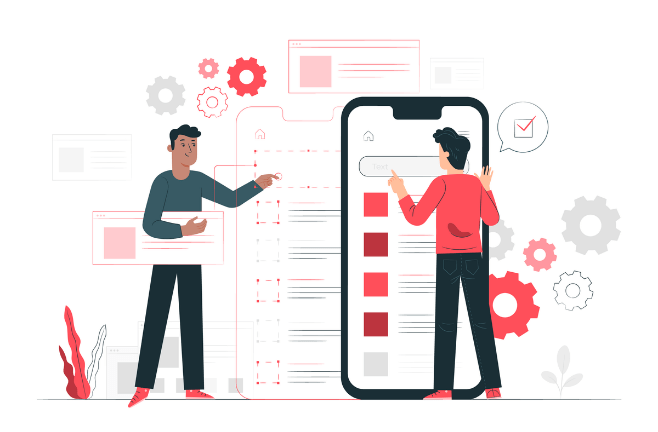
UI designers work closely with UX (User Experience) designers and front-end developers to bridge the gap between aesthetics and functionality. While UX designers focus on the overall flow and user journey, UI designers bring those wireframes and concepts to life through visually engaging and intuitive interfaces.

Key Responsibilities of a UI Designer
-
Design Visual Elements – Create user interface components such as buttons, icons, menus, and input fields that align with the overall brand identity.
-
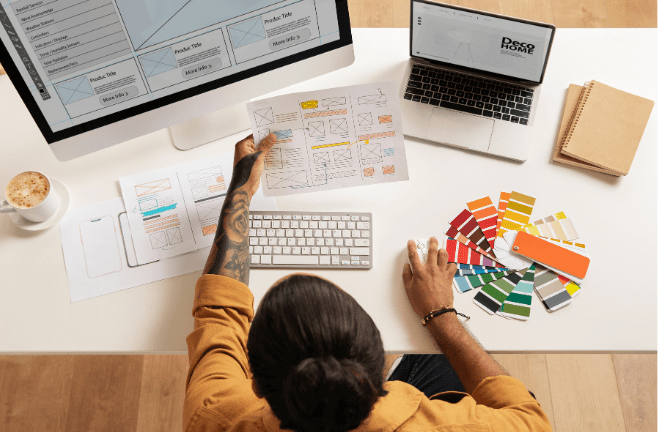
Develop Layouts and Grids – Structure pages and screens with clear hierarchy, spacing, and balance to enhance readability and usability.
-
Establish Colour Schemes and Typography – Select and apply consistent colours, fonts, and visual styles that reinforce brand recognition and accessibility.
-
Ensure Visual Consistency – Maintain a cohesive look and feel across all digital platforms, including websites, mobile apps, and software.
-
Collaborate with UX Designers and Developers – Work closely with UX teams to align design decisions with user needs, and with developers to ensure design feasibility and implementation accuracy.
-
Create Interactive Prototypes – Develop mockups and interactive prototypes to visualise and test interface elements before final development.
-
Optimise for Responsiveness – Design interfaces that adapt seamlessly across various devices and screen sizes.
-
Adhere to Accessibility Standards – Ensure the interface is inclusive and accessible to users of all abilities.
-
Stay Updated on Design Trends – Keep up with the latest UI design tools, trends, and technologies to continuously improve design quality and innovation.
What Is UX (User Experience) Designers?
A UX (User Experience) designer is responsible for designing how a product feels and functions, ensuring every interaction a user has with a digital product is smooth, intuitive, and satisfying. They focus on the overall experience, from the first impression to the final interaction, aiming to make the user journey seamless and enjoyable.
While UI designers focus on the visual look, UX designers dive deep into understanding user behaviour, conducting research, and creating strategies that make digital products functional and user-friendly. Their ultimate goal is to ensure that a product not only looks good but also solves user problems effectively.
UX designers work closely with UI designers, developers, and product managers to align user needs with business goals, ensuring the final product delivers value and usability in equal measure.

Key Responsibilities of a UX Designer
-
Conduct User Research – Gather insights through user interviews, surveys, and usability testing to understand user needs, motivations, and pain points.
-
Create User Personas – Develop detailed profiles that represent target audiences to guide design decisions based on real user data.
-
Map User Journeys – Visualise how users interact with a product from start to finish, identifying opportunities to improve the overall experience.
-
Develop Wireframes and Prototypes – Create low- and high-fidelity prototypes to illustrate page layouts, navigation, and functionality before final design and development.
-
Test and Refine Designs – Conduct usability testing to evaluate design effectiveness, gather feedback, and make iterative improvements.
-
Collaborate Across Teams – Work closely with UI designers, developers, and stakeholders to ensure that design concepts align with business objectives and technical feasibility.
-
Ensure Accessibility and Usability – Design with inclusivity in mind, ensuring the product is usable by people of all abilities and backgrounds.
-
Analyse Data and Feedback – Use analytics and user feedback to make data-driven decisions that continuously improve the product experience.
-
Stay Updated on UX Trends and Tools – Keep up with evolving UX best practices, research methodologies, and design technologies to maintain high-quality design standards.
The Key Differences Between UI Designers and UX Designers
While UI and UX designers work closely together, their roles and responsibilities are different.
UI designers focus on the visual design of a digital product, while UX designers focus on the overall user experience.
- UI designers are responsible for creating the visual design of a product, including layout, typography, and colour schemes. They work closely with UX designers to ensure that the user interface is aesthetically pleasing and easy to use.
- UX designers are responsible for creating a positive user experience for a product. They conduct user research to understand user needs and behaviours, create user personas, develop user flows and wireframes, and test prototypes to ensure that the product is easy to use, intuitive, and meets the needs of the users.
Which Career Path Should You Choose?
If you’re considering a career in digital design, you might be wondering whether UI or UX design is the right path for you. While both roles share the same end goal creating exceptional digital experiences, they require different skill sets and mindsets.
If you have a strong background in graphic design and enjoy working with typography, colour, and layout, a career in UI design could be the perfect fit. UI designers focus on the visual and interactive aspects of a product, ensuring that it’s not only aesthetically appealing but also functional and engaging.
On the other hand, if you’re passionate about understanding user behaviour, conducting research, and solving usability problems, you might find UX design more fulfilling. UX designers dive deep into the psychology of users, mapping out their journeys and crafting experiences that are intuitive, accessible, and user-focused.
That said, many modern companies value designers who are skilled in both UI and UX. Having a combined understanding of how design looks and how it works makes you a more versatile and competitive candidate in the job market.
If you’re just starting out, it’s a great idea to explore courses or workshops in both areas to develop a well-rounded foundation. As you gain experience, you can decide whether to specialise in one discipline or grow into a hybrid UI/UX designer capable of managing the full design process from concept to implementation.
Looking to Hire UI or UX Designers in Malaysia?
If you’re looking for expert UI and UX design services for your digital product, consider working with Flowspace, a leading digital marketing agency with a team of skilled UI and UX designers at your service. With our focus on user-centered design and our extensive knowledge of human-computer interaction principles, we can help you create a digital product that meets the needs of your users while also achieving your business objectives.
Visit our UI/UX Design page to learn more about our services, and get started in creating an amazing website for your business now!